· 5 min read
AI Dating Photos for Women: What Works and What to Avoid
How to get AI dating photos that still look like you: the selfies to start from, scenes that read as real, and the over-polished look to avoid.
AI dating photos work for women on the same condition they work for anyone: the result has to look like you on an ordinary good day. The failure to watch for is different, though. With men's photos the usual problem is a stiff, generic result. With women's, it is over-polish: skin smoothed to plastic, features nudged toward a template, a body that is not quite yours.
That version might collect more likes. It also sets up the worst first date available, the one where the other person spends the first minute adjusting. This guide is about getting the opposite: photos that are flattering because of light, setting, and framing, and accurate everywhere else.
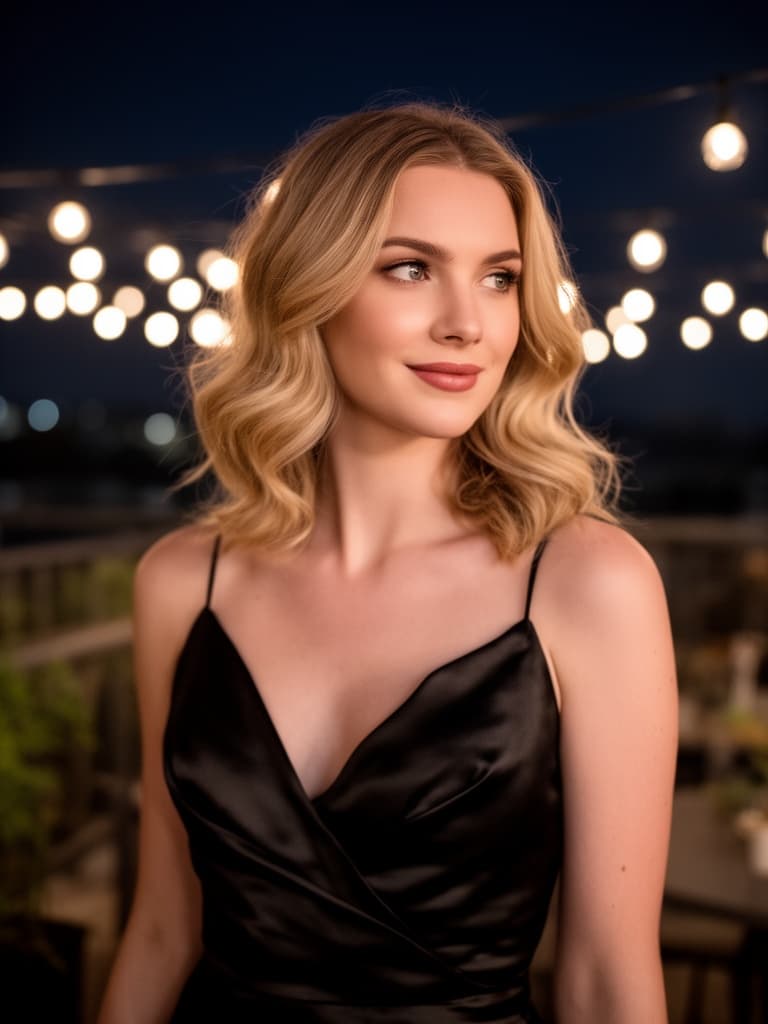
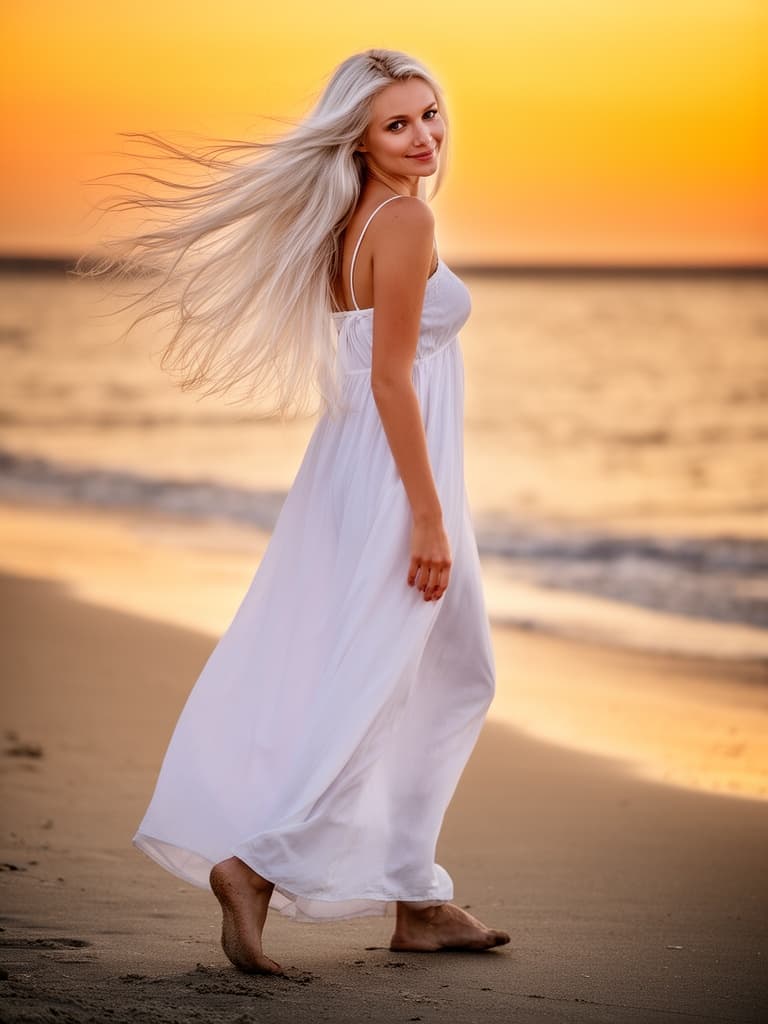
Start with selfies that look like you now
An AI photo is built from the selfies you give it, so the inputs decide most of the outcome.
- Current hair. Colour, length, and how you actually wear it. A set built from last year's haircut is a set of someone else.
- Your usual makeup. If you wear little day to day, do not feed in only full-glam photos, and the other way round.
- No filters. Beauty filters and face-tuning apps change your features before the AI ever sees them, and the result inherits the change.
- A few angles. Straight on, slightly left, slightly right. One angle repeated produces one face repeated.
- Even light. Face a window. Overhead bulbs and flash flatten or harden features in ways that carry through.
- Nothing covering your face. No sunglasses, no hand on the chin, no hair across one eye.
The same rules, with examples, are in how to take good selfies for dating apps.
Scenes that read as real
Choose settings you would plausibly be photographed in. A believable scene does more for a profile than a spectacular one, because the question a viewer is quietly asking is "is this what she is like?"
A set that covers the useful ground:
- A clear face photo in soft daylight. This is your first photo, so make it the most accurate one.
- A full-length photo in an outfit you own or would wear.
- Something you do: a walk, a café, a market, a class, a trip.
- One dressed-up photo: dinner, drinks, an evening out.
- One relaxed photo that looks unposed.
Skip scenes that announce themselves as generated: private jets, studio glamour lighting, a city you have never visited. For more on which scenes hold up, see AI photo styles and scenes that work.
The over-polished look, and how to avoid it
When you review a batch, reject on these before anything else:
- Skin with no texture. Real skin has pores and small variations, even in a flattering photo.
- A face that has been "improved." Larger eyes, a narrower nose, a sharper jaw. If your sister would say "that's not you," delete it.
- A changed body. Different proportions from your own are the fastest route to an awkward meeting.
- Hair that is too perfect, or a colour that has drifted from yours.
- Hands, jewellery, and text. Extra fingers, earrings that do not match, garbled writing on a menu or sign.
Generate more than you need and keep few. Five accurate photos are worth more than twenty flattering ones you have doubts about. How to make AI photos look real goes through the checklist in detail.
Mix them with real photos
You do not need an all-AI profile, and most people are better off without one. A sensible split is to lead with a real photo you like if you have one, then use generated photos to fill what is missing: the full-length shot nobody took, the setting you never got a decent picture in.
If you have no usable real photos at all, a fully generated set is still fine as long as every photo passes the accuracy test. How many AI photos to use on your profile covers the balance.
Privacy: what your photos give away
This matters more for women than most photo guides admit, and it applies to real photos as much as generated ones.
- Location data. Phone photos can carry GPS coordinates in their EXIF data. Most apps strip it on upload, but it is safer not to depend on that. See EXIF data and dating app privacy.
- Recognisable places. The front of your building, your office lobby, your gym's logo, a street sign near home. A generated scene has an advantage here, because the café in the picture is not your café.
- Reverse image search. A photo you also use on a public social profile can be traced back to it. Photos made only for your dating profile cannot be matched to anything else. More in do dating apps use reverse image search.
MatchMaxing photos are delivered as standard JPEGs with no GPS tags and no AI metadata, and because they are new images, they do not exist anywhere else online.
What the apps expect
Dating apps' rules are aimed at misrepresentation: looking like a different person, using someone else's pictures, running a fake profile. Each app sets its own position on AI images, and some are openly wary of them, so it is worth reading the current guidelines for the app you use. Are AI photos against dating app rules summarises the common ground.
The standard that keeps you inside all of them is the same one that makes a first date go well: your photos should show the person who is going to turn up.
If you want to try it with your own selfies, MatchMaxing builds a set from three or four of them.
Frequently Asked Questions
Do AI dating photos work for women?
Yes, when they stay accurate. The risk is over-polish, such as smoothed skin or altered features, so start from unfiltered selfies and reject any result that does not look like you.
What selfies should I upload?
Three or four recent, unfiltered photos in even light, from slightly different angles, with your current hair and your usual makeup, and nothing covering your face.
How many AI photos should I use?
As many as pass the accuracy test, mixed with real photos where you have good ones. Many people use generated photos to fill two or three gaps rather than the whole profile.
Will my date be able to tell?
If the photos look like you, there is nothing to tell: you will match them in person. Photos that change your face or body are the ones that get noticed, usually at the worst moment.
Are AI photos safer for privacy?
In some ways. They show no real home, workplace, or neighbourhood, and they exist nowhere else online, so they cannot be traced to your other accounts.
Ready for better dating photos?
Generate polished photos from your selfies in minutes, delivered with no AI metadata.
Create your photosRelated articles
All AI dating photos guides →AI Dating Photos for Men: What Works and What Fails
Learn how to use AI dating photos for men effectively. Discover the best photo slots, realistic scenes, and how to balance AI with real images.
How to Make AI Photos Look Real (Not Fake) (2026)
The difference between believable AI photos and obvious ones is curation and input quality. A practical checklist to keep AI photos looking real.
How Many AI Photos Should You Use on Your Profile? (2026)
Should your whole profile be AI photos, or a mix? How many AI photos to use and how to blend them with real ones for the most natural set.